Seasonal demand swings
Summer cooling and winter heating peaks create hiring surges that leave you short-staffed or overstaffed the rest of the year.
HVAC workforce design
Jo from maps where seasonal swings and role confusion cost you margin — then puts the right people on the right jobs.

Seasonal peaks expose every crack in your crew. Techs get pulled into dispatch and admin. Service and install blur together until neither runs well.
Jo from separates work that needs a licensed tech from the coordination and scheduling that doesn't. Your best people stay on skilled, billable work.
01
map where capacity leaks
Jo from shows where tech time goes to scheduling, admin, and dispatch instead of billable work.
02
plan the right work mix
Decide what stays with senior techs and what moves to support roles and Human + Machine execution.
03
launch and recover margin
Measure first-call fix rate, seasonal coverage, and margin recovery from day one.

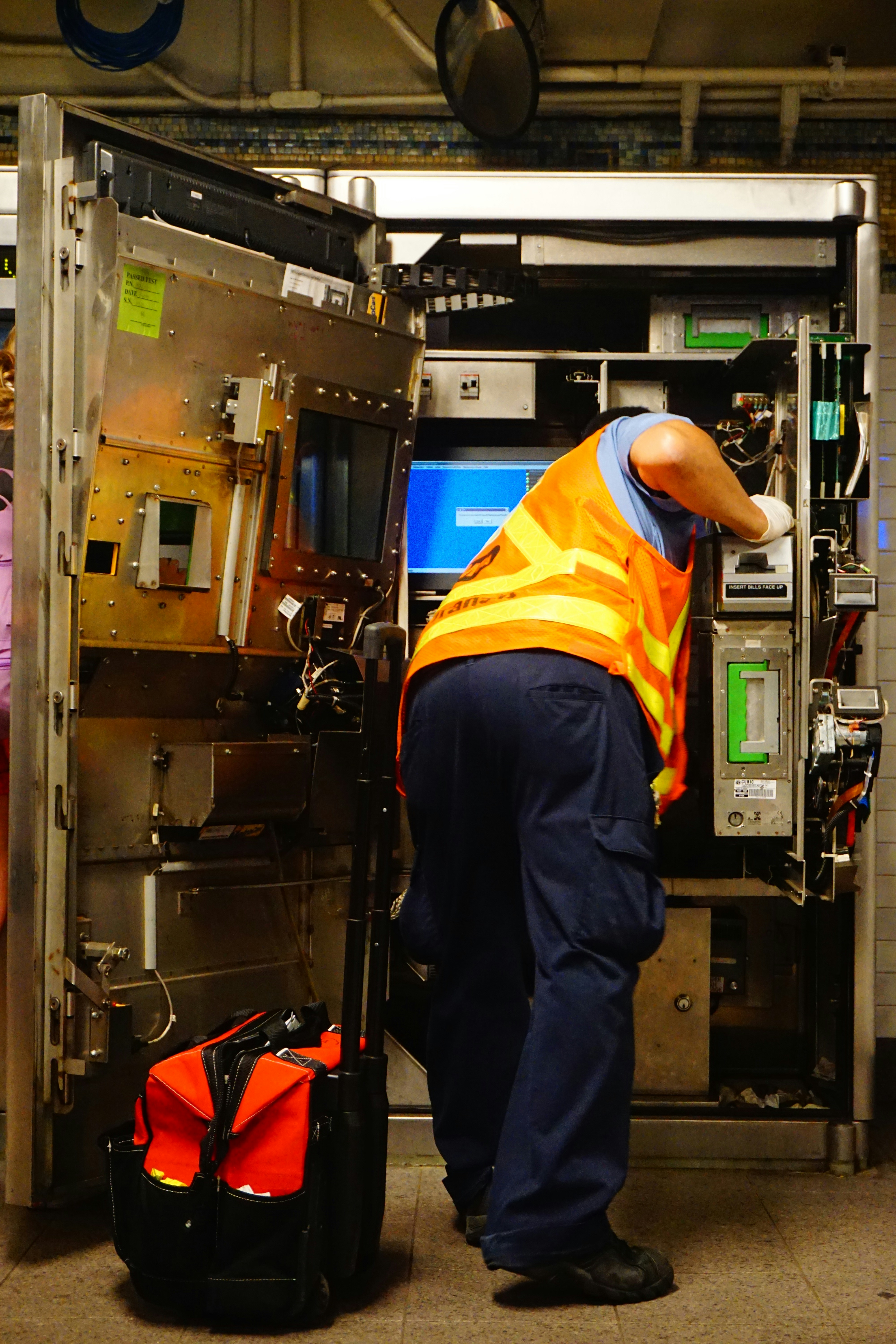
Your licensed techs are buried in dispatch, scheduling, and warranty calls. That is revenue-generating capacity sitting in admin work.
A clear crew structure lets you scale for summer and winter peaks. Your best people stay on skilled work. Customers stop waiting.

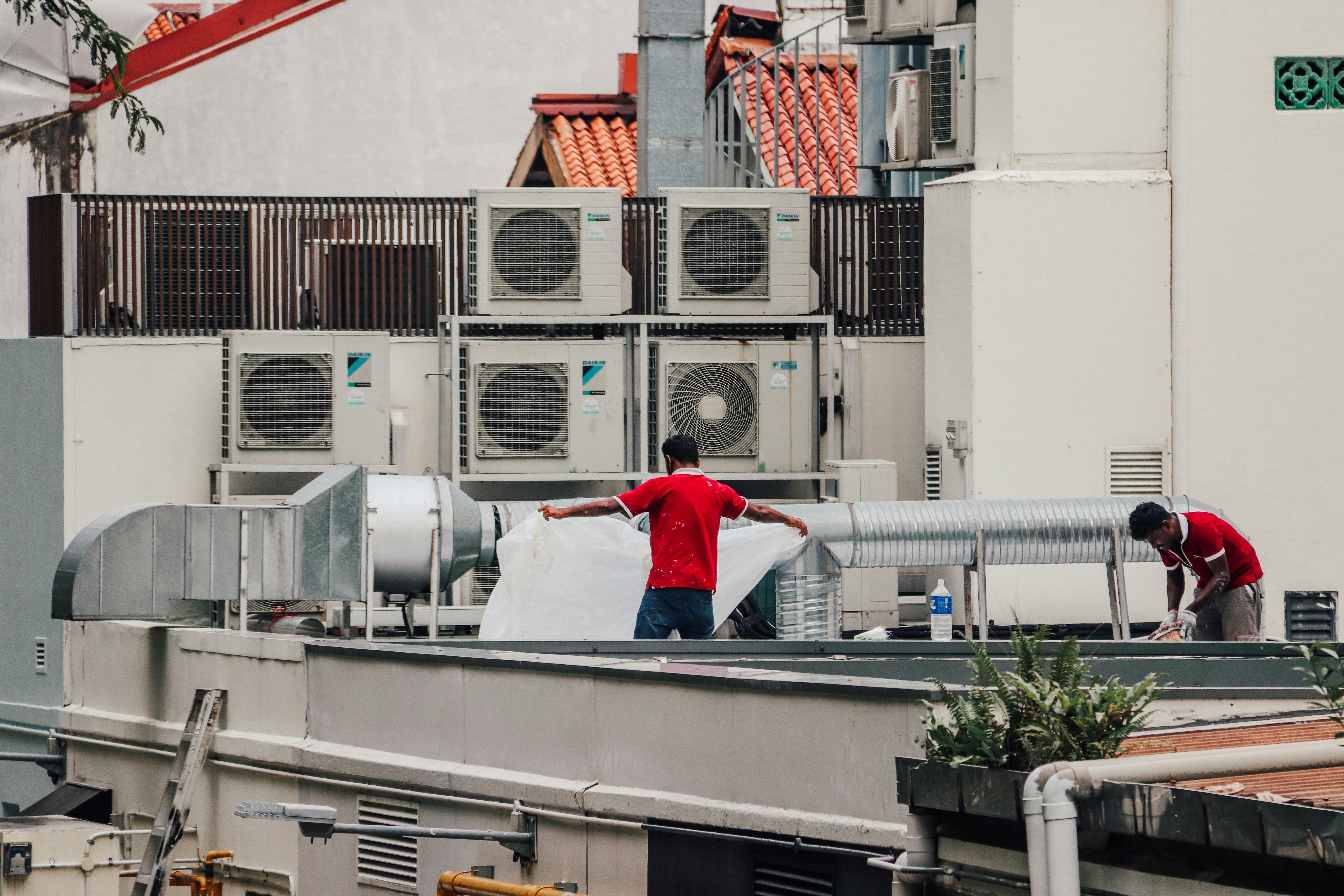
Summer cooling and winter heating peaks create hiring surges that leave you short-staffed or overstaffed the rest of the year.
Apprentices get thrown into jobs without clear scope, slowing senior techs who end up supervising instead of producing.
When the same crew handles both service calls and new installs, neither function gets the focus it needs and schedules collapse.
Senior techs spend hours on scheduling, parts ordering, and customer callbacks instead of billable diagnostic and repair work.
Work sits waiting because the only person licensed to sign off is buried in tasks that don’t require their certification level.
Rushed installs and undertrained crews drive a callback rate that eats margin and damages customer trust.
70%
of HVAC firms can’t fill open positions
3-6 mo
average time to hire a qualified HVAC tech
Move dispatch, scheduling, and warranty follow-up off your techs. Licensed capacity stays on revenue work where it belongs.
see pricing →Human + Machine staffing handles coordination, parts, and permits. Your service and install lines hold under seasonal load.
try demo →40%
revenue lost to seasonal staffing gaps
22%
callback rate industry average
Where seasonal demand and role confusion quietly drain margin.
Read guide →See how Jo from maps service, install, and dispatch roles.
Read guide →Fix rates, seasonal coverage, and margin recovery results.
Read guide →
answer first
Jo from is a Human + Machine staffing company for HVAC operators. The diagnostic finds where tech capacity is lost to dispatch and role confusion, then builds a crew structure that keeps licensed techs on skilled, billable work.
Jo from finds where capacity breaks during peak demand. Then we build a crew structure with clear roles so you scale without burning out your best people.
Diagnostics, refrigerant handling, safety calls, and customer-facing judgment. Dispatch, scheduling, parts, and warranty follow-up move to support roles.
Yes. Jo from separates both lines so each has its own capacity, handoffs, and coverage targets.
Higher first-call fix rate. Fewer callbacks. Better seasonal coverage. Recovered margin from techs on billable work.
Last updated: 2026-05-20
next step
See where seasonal demand, role confusion, and dispatch overload are costing you techs and margin.
© 2026 J0 from Corp. All rights reserved.
J from
from